AI Virtual Cell Technology Could Change Medicine
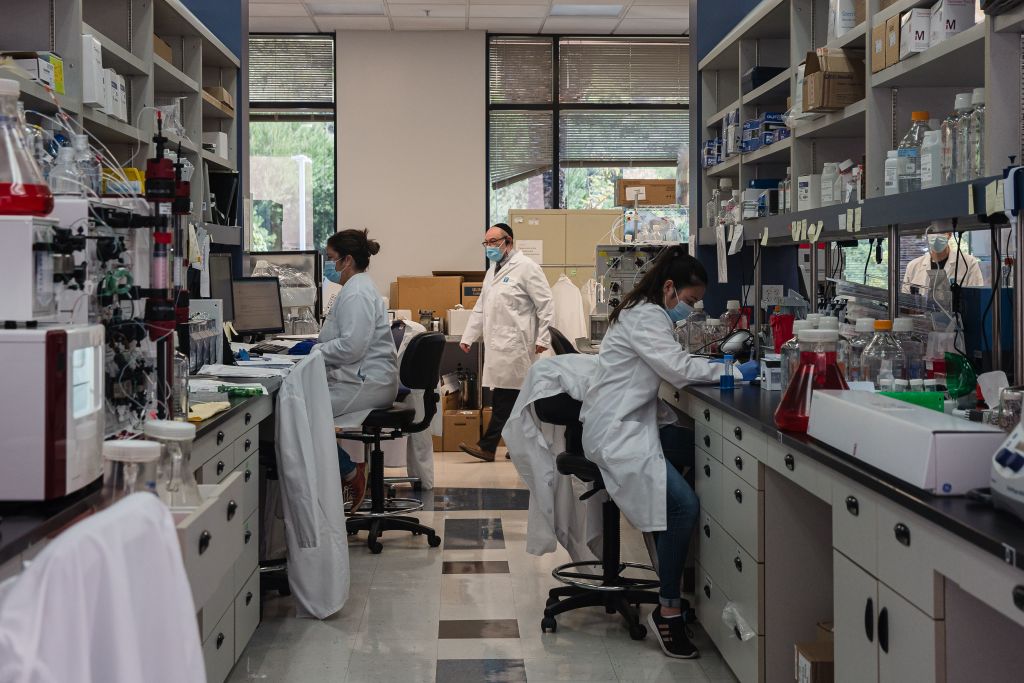
New AI virtual cell technology could soon reveal how genetic changes and drugs alter cells in the human body. Researchers are using this new system to study living cells on a computer. It brings a fresh way to test medical ideas quickly.
What is AI virtual cell technology?
Scientists have built a new tool that creates a digital version of a biological cell. This system relies on advanced software to mirror how real human cells act under different conditions. By using computer models, researchers can run tests without needing real physical tissue every single time.
The system gives experts a safe space to watch complex reactions. It helps them see how tiny changes inside a cell can change the way the whole structure works. This makes big biology experiments much faster and cheaper to run in a lab setting.
How does AI virtual cell technology help scientists?
This tools lets teams see how specific drugs interact with cell walls and inner parts. It also shows what happens when genes change or mutate over time. Having this information helps scientists learn why some medicines work while others fail.
Understanding these details opens up better paths for new treatments. It allows health experts to try out thousands of drug options in a short period. You can read more about modern digital science on Digital Trends news coverage of modern tools.
Why do genetic changes matter in cell research?
Genetic changes can alter the way a person grows, fights off illness, or reacts to medicine. When genes shift, the cell might produce different proteins or stop working the right way. This new computer tool makes it easier to track those small biological shifts step by step.
By spotting these shifts early, researchers can catch potential health issues before they turn into major problems. It gives doctors a clearer picture of how diseases take hold inside the body. Tracking these details is vital for building safer, smarter medical tools in the future.
What comes next for computer cell models?
Teams will keep refining the software so it can copy even more types of human cells. As the computer models get better, they will yield clearer answers about complex diseases. More research groups around the world are expected to start using these digital tools soon.
In the long run, this work could help create medicines made just for one person's body. It bridges the gap between raw data and real health solutions. If you want to learn about how computers handle big biological info, check out Data technology information for more context.


Comments
Post a Comment